
Yearly Archives: 2015
- Home
- 2015

loading..


Intellect … Emuna (Part III)
BS’D
To sum up the past two emuna lessons let’s examine some ways we can come to recognize and listen to our inner point of truth, aka our G-dly spark which houses our emuna.
The noisiness of the outside world together with material lusts and false thrills hush the sound of the soul. Therefore the first step to reveal emuna is to quiet our mind and heart and to recognize that the messages we receive under the humdrum of life are wrongly presented. A person with emuna takes the time to think about life and understands there is more to life than meets the eye. It is a quest inward that brings us to the truth behind existence.
Furthermore, we access emuna by learning from our Holy Sages of past and present since they have already pierced the surface of existence and revealed the many secrets behind it. Emuna is not blind faith, but a trust developed through study of Torah; a deep understanding about life learned and taught by our Rabbis.
Emuna must be fed; tefilla is ideal nourishment. Intense heartfelt prayer which stems from a humbled heart satiates our emuna pangs. Yalkut Shimoni writes, “…Yisrael ein kocham ella ba’peh (Israel has nothing but prayer)’. The type of tefilla spoken here is one that includes constancy, persistence and humility.
Therefore, the next time you can’t logically explain or comprehend Torah’s words yet know they speak the truth, remember you are experiencing limits set by G-dly design. Now let your emuna take the lead and surrender to the higher knowing; one that the human mind cannot possibly grasp.
Today’s daily dose of emuna is dedicated to the refuah shleimah of Ilana Nechama Bas Devorah Rachel. May Hashem shower her with a complete healing among all of Klal Yisrael who are sick and suffering, b’karov, b’rachamim, Amen.

המנה היומית של אמונה – שכל מול אמונה, חלק 1
בס’ד
בספר פרקי אליעזר (מדרשים של התנא רבי אליעזר בן הורקנוס, תלמידו של רבי יוחנן בן זכאי זצק’ל) הוא מלמד לקח על המאבק בין שני כוחות הנפש. אחד הוא כח השכל והשני הוא כח האמונה. חז״ל מלמדים שכח השכל הוא משול למים וכח האמונה משולה לארציאות שיש בנו
יש בכוח המים יכולת לחצות גבולות, לנקות, לטהר כל מה שסביבו למרות המגבלות. אנחנו עדים לתופעה הזאת כשמסתכלים בים ורצונו לפרוץ את גבול החול. חכמת האדם דומה לכך, לעבור גבולות ולהגיע לכל פינה.
אין ספק שהכל בהשגחת הבורא ויש תכלית לכל דבר. עלינו להיזהר מלתת לכח השיכלי להשתלט על חיינו, כי זה מראה על גאווה ומצהירים בזה שאנו יכולים לדעת הכל. כמו שגלי הים חוצים את גבולות החוף בכח בלי להתחשב על ההרס שיכול לגרום עקב כך, כח השכל שפועל בלי גבולות גורם להרס מכיוון שהוא מרחיק את האדם מהיעוד הרוחני האמיתי שלו
פה טמון פנינים יקרים של חכמת התורה. ה׳ בחכמתו הגביל את כוחו של השכל שלא נגרום לעצמנו נזק, וזה כוח האמונה. המשך מחר ב״ה….
Intellect… Emuna (Part II)
BS’D
We left off yesterday with the understanding that emuna is the force that limits one’s intellect. We are driven to discover the purpose of living, yet the human mind is limited. Therefore we were given the gift of emuna, a higher level of wisdom which enables us to come closer to Hashem and discover the purpose of life.
By G-dly design Hashem limited human intellect so that we not understand His ways. Were we to grasp His essence, existence as we know would cease to exist. Consequently free will would be removed and all of creation would fold into His Oneness, since all is Hashem and Hashem is all. Nonetheless, Hashem has given each of us a ray of His G-dliness so that we may slowly unveil it to shine on creation through involvement in Torah study, mitzvot and good deeds.
This point of inner truth is felt by every Jew; some feel it always, some feel it rarely. Hashem planted this one pure point in the heart of every Jew and it is from this place that we build our emuna. When intellect reaches a stumbling block emuna automatically takes over. By virtue of free will we are given a choice on how we respond to that emuna voice. What will our response be when our emuna says, ‘Remember, there is a Hashem’.
Emuna questions but also provides answers. Emuna is a heartfelt thirst to know and asks ‘Why am I here?’ Yet at the same time emuna provides the answer by reminding us of our souls existence. As suggested in yesterday’s lesson emuna is likened to earthiness. Aretz (earth) is associated with the word ratzon (one’s desire, thirst to know Hashem). The ground yearns to grow and produce; emuna drives us to search true meaning.
Emuna bonds us to G-dly knowledge above and beyond what the human mind can ever grasp.
Intellect… Emuna (Part I)
BS’D
Today’s daily dose of emuna is dedicated to the refuah shleimah of Daniel Moshe ben Rochel Hatun. May Hashem open the eyes of his doctors to clearly see and diagnose his medical issues and may he merit a complete healing b’karov, b’rachamim, Amen.
Sefer Pirkei Eliezer (a Midrashic work originated with the Tanna Rabbi Eliezer ben Hurcanus, a disciple of Rabbi Yochanan ben Zakai) teaches many beautiful lessons concerning the two battling forces in our nefesh. They are called koach hasechel (intellectual force) and koach ha’emuna (force of emuna). Chazal teach that the force of intellect alludes to water and the force of emuna refers to earthiness.
The power of water is portrayed in its desire to go beyond its limits; to cleanse and purify its surrounding in spite of its borders attempting to contain it. We witness this phenomenon on the shores as we see the sea attempting to push its way onto the sand. Human intellect is similar. It wishes to break all boundaries and grasp every corner.
Undoubtedly this is by G-dly design and for great purpose, yet one must be careful not to allow intellect to take over one’s life. The danger in allowing intellect to conquer our lives becomes clear when exploring its origin; gaiva (arrogance). Just as the sea waves look to force their way beyond their borders not concerned with the likely destruction it will cause, so too a limitless level of intellect eventually causes self-destruction.
Here we find a hidden pearl of Torah wisdom. In Hashem’s Infinite wisdom He placed a limit on human intellect to enable us to benefit from it without harm. The soul’s force called Emuna is the boundary which Hashem created to safeguard us from misusing our intellect and use it to improve and grow. More tomorrow…

המנה היומית של אמונה – מה זה נקרא טוב
בס’ד
יש ביטוי מפורסם ״בן אדם מתחנן והקב״ה צוחק״. כשהתכניות שלנו לא יוצאים לפועל אנחנו שואלים, למה? למה אני? למה עכשיו?
הקשר שלנו עם הקב״ה הוא תלוי ביכולתו להגשים את רצונינו. בתור בני אדם אנחנו מתאווים לנוחיות. כשהכל הולך לפי הרצון שלנו אין שאלות. אבל ברגע שה׳ לא ממלא את רצונינו, מתחיל השאלות והספקות.
ההשגות שלנו מושפעות מהגאווה, חוסר מידע על התמונה השלמה, וחוסר אמונה בה׳ שכל מה שהוא עושה לטובה.
השמחה, בדמיון שלנו, תלויה בהבלי העולם הזה. אסור לעבוד את ה׳ בתנאי שהוא ימלא את רצונינו. הקשר שלנו עם הקב״ה צריך להיות כמו נישואין, מלא באהבה ללא הגבלות או תנאים. כדאי להתבונן ביחסים שלנו עם בוראנו ולאהוב אותו בלי תנאים. כמו שהקב״ה הוא אינסוף כך האהבה עבורו צריך להיות אינסוף.
אי אפשר להגדיר את המילה טוב בעולם הזה עם התפיסה המוגבלת שלנו. הטוב האמיתי הם חיי הנצח בעולם הבא. ה׳ מספק את כל צרכינו בעולם הזה על מנת שנזכה לטוב הנצחי והאמיתי. זה תכלית העולם הזה, לבנות ולהתכונן לחיי העולם הבא. כשנאמין ונלך בעקבותיו, אז נראה שבאמת כל מה שקורה בחיינו הוא לטובה.
What is Good?
BS’D
Today’s daily dose of emuna is dedicated to the refuah shleimah of Aharon ben Perel. May Hashem grant him a complete healing among all of Klal Yisrael who are sick and suffering b’karov, b’rachamim, Amen!
They say “man plans and G-d laughs”. When our plans are side-tracked with unforeseen circumstances, we may be drawn to ask ‘why?’ Why me? Why now?
Our relationship to Hashem is often dependent on His ability to fulfil our needs and desires. As human beings, we naturally desire pleasure and comfort. When we are showered with (what we define as) good, we generally do not question Hashem’s ways. If life‘s events do not clash with our perception of good or comfortable, then we are not provoked to question His Divine plan. We merely take things for granted and expect them to flow as we believe they should. However, if our needs and comforts are not met, we may begin to question His ways. This mistaken outlook is a product of our own limited egos, a lack of knowledge of the full picture, and a lack of emuna that everything that happens is for our best.
Our imagination falsely directs our lives and defines happiness based on worldly pleasure. Yet, we cannot serve Hashem on condition and such a mistaken outlook cannot be revamped or adjusted. Rather, we must strive to completely remove such an erroneous belief. Our relationship with Hashem should mirror an ideal marriage, which is love and affection with no expectations or conditions attached. We cannot allow resentment to creep in the moment our expectations are not met. If this is the case, it would be wise to examine our relationships, particularly that with our Creator so that we may derive more unconditional love and satisfaction independent of whether our own conditions and expectations are met. Just as our Creator is infinite, so too should our love for Him be infinite.
Our definition of good is limited by the finite nature of this world and by our limited perspective. In actual fact, the greatest good that Hashem can bestow upon us is the gift of life in the World to Come – eternal life and eternal closeness to Hashem. In this world we have no concept of the true definition of ‘good’. Hashem provides for our needs in this world in order to enable us to earn that which is eternally good. The true purpose of this world is to build our eternity in the Next World. When we internalize this belief, then our definition of ‘good’ is turned on its head as we realize that when we follow His precepts, everything that happens really is good.

המנה היומית של אמונה – רוצים חיים טובים
בס’ד
היחסים שלנו עם הקב״ה משתנים ככל שאנחנו מתחזקים באמונה. רובנו מתקשרים לבורא עולם עם תנאים. למשל, בן אדם קם בבקר, השמש זורחת, הוא שוטף את פניו, שותה קפה והולך לעבודה. הוא מצפה שהיום שלו יעבור רגיל בלי שום הפרעות, והוא לא שואל ״למה״ היום שלי מתנהל ככה.
הוא מופיע בעבודה והבוס אומר שמגיע לו העלאה במשכורת, וגם באופן רטרואקטיבי! האם הוא שואל איך ולמה, פשוט שלא. אבל, אם הוא קם בבוקר ומתקלקל האוטו בדרך לעבודה? או הוא קם עם כאבי בטן? או מפטרים אותו מהעבודה? התגובה הראשונה היא, למה? מה קורה פה?
כשהחיים מובילים אותנו בדרך שאנחנו רוצים, אנחנו אף פעם לא שואלים למה. רק כשהקב״ה משנה את מסלול חיינו לא כרצוננו יש לנו
שאלות וספקות. אנחנו חייבים לשנות את היחסים שלנו עם בורא עולם. הקב’ה לא פה כדי להנעים לנו את החיים אלא לעזור לנו להגיע לתכלית ושלמות הנשמה שלנו.
יש נקודה מסוימת במוח, כוח המדמה, שקובע איך אנחנו מתייחסים למציאות. ההסתכלות שלנו על החיים מושפעת מהילדות, הסביבה, מדע,והמורים שלנו.
יש להם השפעה חזקה על חיינו. כוח הרצון פועל על הדמיון לחיות חיים ״טובים״. מהרגע שאנחנו קמים עד שהולכים לישון הכוח המניע הוא להינות מהחיים. השאיפה הזאת נעשית מהנקודה הזאת הנקראת כח המדמה. ההודעה שנשלח מהמוח הוא מהרצון שלנו שיהיה לנו טוב. מחר נדון על ההשפעה שיש בדבר.
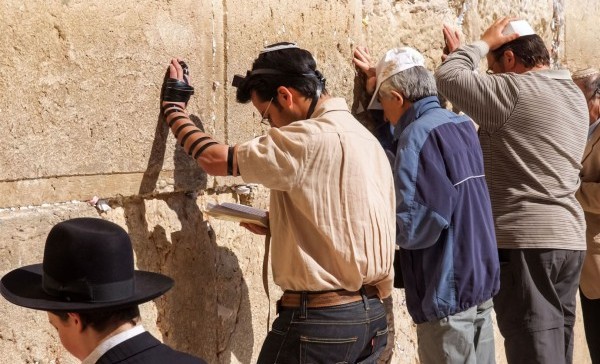




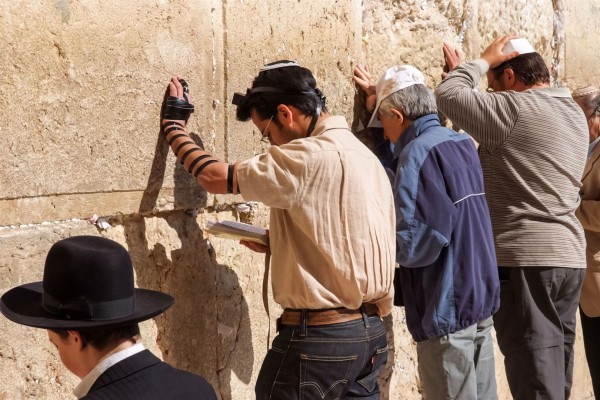
המנה היומית של אמונה ~ בני ישראל – אומה עם עליות וירידות
בס’ד
אנחנו נקראים בני ישראל על מנת להזדהות עם התכלית שלנו בעולם הזה. בני ישראל הולכים בעקבות יעקב אבינו ע״ה, השלם והתמים של אבותינו הקדושים. שמו היה יעקב והקב״ה שינה את שמו לישראל.
הרבה מאיתנו עברו תקופות בחיינו ששאפנו לגדלות מעבר למגבלות שלנו, והתייאשנו. רבי נתן, תלמידו המובהק של רבי נחמן זצ״ל, מלמד שהירידה של יעקב מבאר שבע לחרן הינו משל לירידה הרוחנית של הנשמה שלנו. בדרך לחרן, יעקב חלם על מלאכים שעולים ויורדים בסולם. החלום שלו בא ללמד אותנו שאפילו שאנחנו דרים פה בעולם הזה, אפשר להגיע להשגות מעבר לעולם שלנו.
חלומו גם מלמד על העליות והירידות בחיי האדם. ירידה הוא חלק משמעותי בעליה. הידיעה של עליה וירידה רוחנית נותנת לנו כלים חדשים להתמודד עם דברים חדשים בחיים. לחבוק כל תקופה ולאו דווקא התקופות הטובות.
קשה לבן אדם מבוגר לעזוב הרגלים מהילדות. למרות הקושי, זה צעד קדימה לדרך חדשה. אם אנחנו מזדהים עם התכונות השליליות, אפשר לתקן אותם.
אנחנו נקראים בני ישראל. יש לנו תקופות של עליות וירידות, בניה והריסה, צעדים קדימה ולפעמים גם אחורה. אבל לא משנה מה, אנחנו תמיד שואפים להגיע לגדלות ושלמות.
Want to live a good life?!
BS’D
Today’s daily dose of emuna is dedicated to the yeshuot and nechamot, hatzlachot and brachot of Klal Yisrael. We should learn to love, unite and return to our Divine mission without sorrow or hardship and mend our ways to merit the building of our 3rd and final Beit HaMikdash b’mheria, b’yameinu, Amen.
As we learn to live with Emuna we need to adjust the way we relate to Hashem. Most of us relate to Hashem based on condition. For example, a person wakes up daily to a sunny morning washes his face, drinks his coffee and goes to work. He expects life to run smoothly without any ‘unforeseen circumstances’ and never questions ‘why’ it is so.
Let’s take this further. He is told by his boss that he is due for a raise and will be awarded a great sum retroactive. Wow. Does he ask why or how things became this way? Certainly not. However what if he woke up to a morning where his car broke down on the way to work? Or his stomach hurt? Or he got laid off from work? His first reaction is why… what happened here?
When life takes us where we ‘want’ to go, we never stop to ask ‘why’. It is only when Hashem changes the course of our lives to our ‘disliking’ that we begin to question His ways. This brings forth a most important point in the way we relate to Hashem; one which we should work to change.
There is a point in our brain that defines the way we relate to reality; it is called koach hamedameh (imagination). This starting point posits a theory on reality. Our presumptions on life were formed by many factors; childhood, key mentors and surrounding, science, etc. These assumptions are very personal and have an extremely powerful effect on our lives.
Imagination is fed by our personal desire to want a ‘good life’. From the moment we open our eyes to the moment we fall asleep, the main drive is to enjoy life. This desire commands our lives and eventually becomes the only way we relate to life; it becomes part of our imagination. Consequently the only messages we receive from our brain (imagination) are those planted by us, by our desire to have it good. Tomorrow we’ll discuss the effect this has.
Stay Connected


Categories
- 40 Days Of Gratitude (30)
- Aish.com Articles (4)
- Breslev.co.il (3)
- Challah Baking (3)
- Chanukah (4)
- Daily Dose Of Emuna (747)
- Delectable Emuna (10)
- Elul (23)
- Emuna Energy Therapy (1)
- other (6)
- Our Trips (2)
- Pesach (6)
- Purim (3)
- Rosh Hashanah Segulot (1)
- Segulot (4)
- Segulot Chanukah (1)
- Segulot for Yom Kippur (1)
- Segulot Shavuot (1)
- Shavuot (7)
- The Ratzon Chabura Workshop (1)
- Tish BeAv (3)
- Tu BiShvat (1)
- המנה היומית של אמונה (14)
Tags
anger
Av
bitachon
chanukah
daily dose of emuna
Divine Providence
Elul
Emotions
emuna
fear
Galut
geula
gratitude
happiness
hardships
Hishtadlut
hitbodedut
joy
marriage
neshama
Orit Esther Riter
Parnassa
passover
Pesach
purim
Purim segulot
Purim segulot and insights
Rosh Hashanah
self-improvement
self-worth
Shabbat
shavuot
Shechinah
soul
Story Time
Succot
suffering
Tammuz
tefillah
tehillim
teshuva
Thirteen principles of Emuna
Tu B'shvat
war
Yom Kippur
This month’s daily doses
| S | M | T | W | T | F | S |
|---|---|---|---|---|---|---|
| 1 | 2 | 3 | 4 | 5 | 6 | 7 |
| 8 | 9 | 10 | 11 | 12 | 13 | 14 |
| 15 | 16 | 17 | 18 | 19 | 20 | 21 |
| 22 | 23 | 24 | 25 | 26 | 27 | 28 |
| 29 | 30 | 31 | ||||
Layout mode
Predefined Skins
Custom Colors
Choose your skin color
Patterns Background
Images Background